














































The NYT Wordle game has become one of the most recognizable digital puzzles in the world. Originally created as a small online word game, it rose to fame for its simplicity, daily format, and social sharing culture. After being acquired by The New York Times, Wordle gained even more visibility and became part of a broader conversation about how people consume news, games, and online entertainment.
What Makes Wordle So Popular?
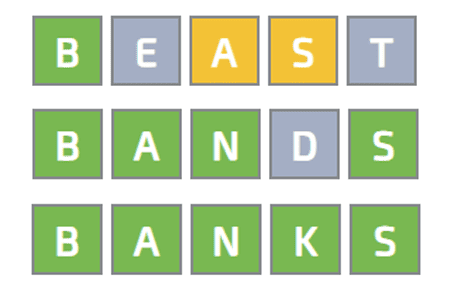
At its core, Wordle is straightforward: players have six chances to guess a five-letter word. After each attempt, the game gives feedback through colored tiles—typically showing which letters are correct and in the right place, correct but in the wrong place, or not in the word at all. This simple structure is a major reason for its success.
Unlike many modern games that rely on fast action or complex rules, Wordle is easy to understand almost immediately. It does not require a tutorial, special skills, or a large time commitment. For many players, it fits neatly into a morning routine, offering a quick mental challenge before work or school.
The Appeal of Limited Play
One of Wordle’s smartest design choices is its one-puzzle-per-day format. This limitation creates anticipation and encourages consistency. Instead of endless play, users return daily, making the game feel like an appointment rather than just a distraction.
Supporters argue that this model is healthier than many addictive mobile games. Because players cannot endlessly chase wins, Wordle encourages moderation. It also creates a shared experience: millions of people across different countries are solving the same puzzle on the same day.
Social Sharing and Community
Wordle became especially popular because of its shareable results grid. Players can post their performance without revealing the answer, allowing them to compare scores while preserving the challenge for others. This feature helped the game spread rapidly across social media platforms.
In this sense, Wordle is more than a solo game—it is a social ritual. Friends, coworkers, and families often discuss strategies, lucky guesses, and streaks. The game has even become a conversation starter, connecting people through a common daily experience.
Criticisms and Limitations
Despite its popularity, Wordle has some drawbacks. Some critics say the puzzle is too easy for advanced players and too difficult for younger or non-native English speakers. Others point out that the game depends heavily on vocabulary knowledge, which may disadvantage some users.
There is also a broader question about ownership and commercialization. After the New York Times acquired Wordle, some fans worried that the game might become paywalled or lose the simplicity that made it special. While the game remains free to play, these concerns highlight how online culture can change when popular products are absorbed by large media companies.
Why Wordle Still Matters
Wordle’s success shows that not all popular digital experiences need to be flashy or complicated. Its appeal lies in a blend of simplicity, routine, competition, and community. It proves that a well-designed game can capture attention through elegance rather than complexity.
In a world of constant notifications and endless scrolling, Wordle offers something rare: a brief, focused moment of thinking. That may be why it continues to matter—not just as a game, but as a cultural habit.
What Makes Wordle So Popular?
At its core, Wordle is straightforward: players have six chances to guess a five-letter word. After each attempt, the game gives feedback through colored tiles—typically showing which letters are correct and in the right place, correct but in the wrong place, or not in the word at all. This simple structure is a major reason for its success.
Unlike many modern games that rely on fast action or complex rules, Wordle is easy to understand almost immediately. It does not require a tutorial, special skills, or a large time commitment. For many players, it fits neatly into a morning routine, offering a quick mental challenge before work or school.
The Appeal of Limited Play
One of Wordle’s smartest design choices is its one-puzzle-per-day format. This limitation creates anticipation and encourages consistency. Instead of endless play, users return daily, making the game feel like an appointment rather than just a distraction.
Supporters argue that this model is healthier than many addictive mobile games. Because players cannot endlessly chase wins, Wordle encourages moderation. It also creates a shared experience: millions of people across different countries are solving the same puzzle on the same day.
Social Sharing and Community
Wordle became especially popular because of its shareable results grid. Players can post their performance without revealing the answer, allowing them to compare scores while preserving the challenge for others. This feature helped the game spread rapidly across social media platforms.
In this sense, Wordle is more than a solo game—it is a social ritual. Friends, coworkers, and families often discuss strategies, lucky guesses, and streaks. The game has even become a conversation starter, connecting people through a common daily experience.
Criticisms and Limitations
Despite its popularity, Wordle has some drawbacks. Some critics say the puzzle is too easy for advanced players and too difficult for younger or non-native English speakers. Others point out that the game depends heavily on vocabulary knowledge, which may disadvantage some users.
There is also a broader question about ownership and commercialization. After the New York Times acquired Wordle, some fans worried that the game might become paywalled or lose the simplicity that made it special. While the game remains free to play, these concerns highlight how online culture can change when popular products are absorbed by large media companies.
Why Wordle Still Matters
Wordle’s success shows that not all popular digital experiences need to be flashy or complicated. Its appeal lies in a blend of simplicity, routine, competition, and community. It proves that a well-designed game can capture attention through elegance rather than complexity.
In a world of constant notifications and endless scrolling, Wordle offers something rare: a brief, focused moment of thinking. That may be why it continues to matter—not just as a game, but as a cultural habit.
0